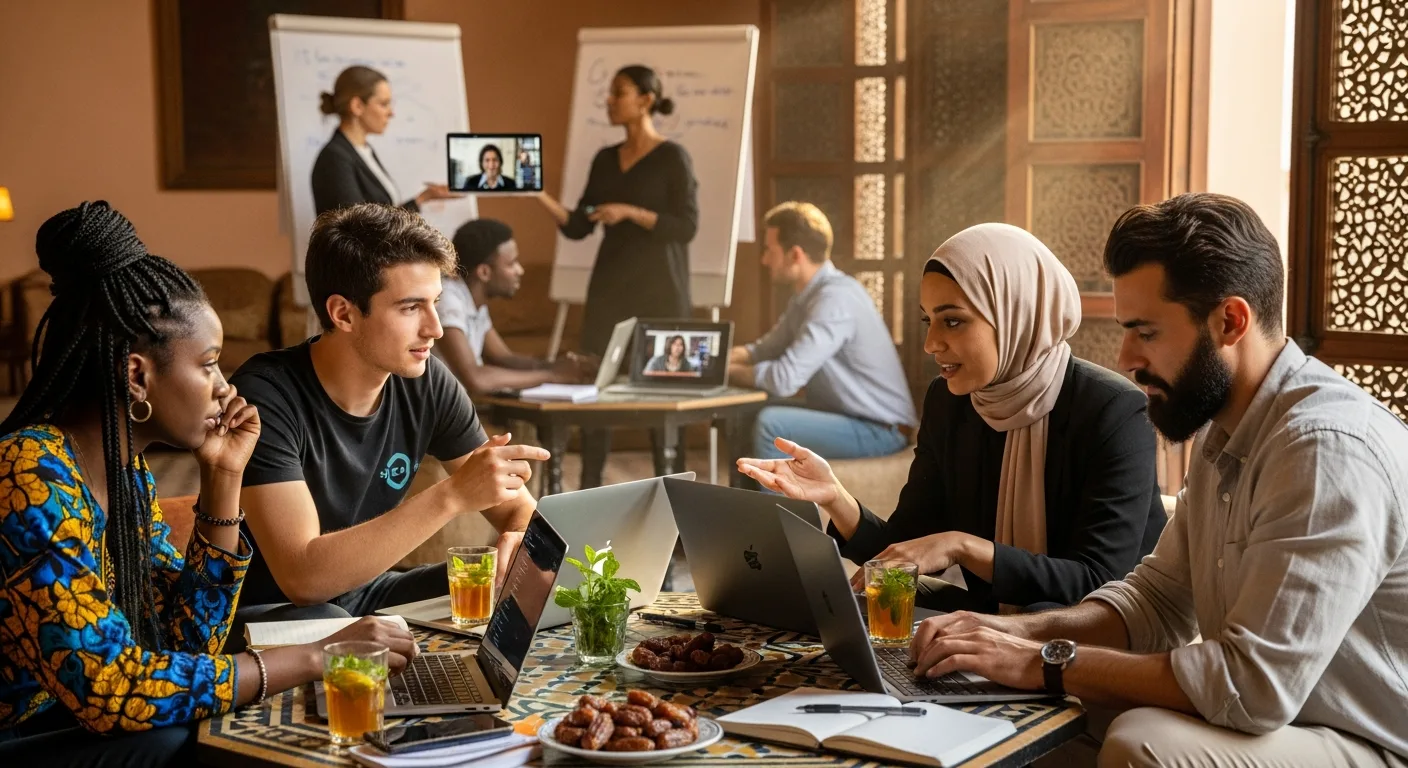
Mastering Cultural Sensitivity: A Step-by-Step Guide for International Teams
Cultural sensitivity is no longer a “nice-to-have” but a core competency for thriving in today’s interconnected global marketplace. As international teams become more common, the ability to navigate diverse perspectives and communication styles is paramount for success. But how do you cultivate true cultural understanding within your team and avoid costly misunderstandings?
1. Building Awareness: Understanding Cultural Dimensions in Communication
The first step towards cultural sensitivity is building awareness of the different cultural dimensions that influence communication. Several frameworks can help you understand these differences. One of the most well-known is Hofstede’s Cultural Dimensions Theory, which identifies six key dimensions:
- Power Distance: This refers to the extent to which less powerful members of organizations and institutions accept and expect that power is distributed unequally. High power distance cultures accept hierarchical structures, while low power distance cultures value equality.
- Individualism vs. Collectivism: Individualistic cultures prioritize individual achievement and independence, while collectivistic cultures emphasize group harmony and interdependence.
- Masculinity vs. Femininity: Masculine cultures value assertiveness, competition, and achievement, while feminine cultures value cooperation, caring, and quality of life.
- Uncertainty Avoidance: This dimension reflects the degree to which a society feels uncomfortable with uncertainty and ambiguity. High uncertainty avoidance cultures prefer clear rules and procedures, while low uncertainty avoidance cultures are more tolerant of ambiguity.
- Long-Term Orientation vs. Short-Term Orientation: Long-term oriented cultures focus on future rewards and value perseverance and thrift, while short-term oriented cultures focus on the present and value tradition and fulfilling social obligations.
- Indulgence vs. Restraint: Indulgent cultures allow relatively free gratification of basic and natural human desires related to enjoying life and having fun, while restrained cultures suppress gratification of needs and regulate it by means of strict social norms.
By understanding these dimensions, you can begin to anticipate potential differences in communication styles and work preferences among your team members. For example, in a high power distance culture, employees may be hesitant to challenge their superiors, while in a low power distance culture, open dialogue and feedback are encouraged.
My experience working with a team spread across India, the US, and Germany highlighted the importance of understanding power distance. The Indian team members, coming from a culture with a higher power distance, initially hesitated to directly question decisions made by the US-based leadership. We addressed this by creating structured feedback mechanisms and explicitly encouraging open communication.
2. Active Listening and Empathy: The Foundation of Effective Collaboration
Collaboration thrives on active listening and empathy. This means going beyond simply hearing what someone is saying and actively trying to understand their perspective, feelings, and motivations.
Here are some practical tips for fostering active listening and empathy:
- Pay attention: Give your full attention to the speaker, avoiding distractions and focusing on their words and body language.
- Ask clarifying questions: Don’t be afraid to ask questions to ensure you understand what the speaker is saying.
- Reflect back: Summarize what you’ve heard to confirm your understanding and show the speaker that you’re engaged.
- Empathize: Try to understand the speaker’s emotions and perspective, even if you don’t agree with them.
- Avoid interrupting: Let the speaker finish their thoughts before responding.
- Be mindful of nonverbal cues: Pay attention to body language, tone of voice, and facial expressions.
A lack of empathy can lead to misunderstandings and conflict. For example, a direct communication style that is considered efficient in one culture may be perceived as rude or insensitive in another. By practicing active listening and empathy, you can bridge these cultural gaps and build stronger relationships with your team members.
3. Adapting Communication Styles: Bridging Language and Cultural Barriers
Effective communication is crucial for international teams, but language and cultural differences can create significant barriers. It’s important to adapt your communication style to be more inclusive and accessible to everyone on the team.
Here are some strategies for adapting your communication style:
- Use clear and concise language: Avoid jargon, slang, and idioms that may not be familiar to everyone.
- Speak slowly and clearly: Enunciate your words and avoid speaking too quickly.
- Use visual aids: Charts, graphs, and images can help to clarify complex information.
- Be mindful of nonverbal communication: Body language, facial expressions, and gestures can vary significantly across cultures.
- Choose the right communication channel: Consider the cultural norms and preferences of your team members when choosing a communication channel. For example, some cultures prefer face-to-face communication, while others are more comfortable with email or instant messaging.
- Provide opportunities for clarification: Encourage team members to ask questions and seek clarification when needed.
Consider using translation tools like Google Translate for written communication, but be aware of its limitations and always double-check the accuracy of the translation. For real-time verbal communication, consider using a professional translation service.
4. Fostering Inclusivity: Creating a Culturally Intelligent Environment
Creating a culturally intelligent environment is essential for global leadership and collaboration. This means fostering a workplace where everyone feels valued, respected, and included, regardless of their cultural background.
Here are some ways to foster inclusivity:
- Celebrate diversity: Acknowledge and celebrate the different cultures represented on your team. Organize cultural events, share stories, and learn about each other’s traditions.
- Promote cross-cultural training: Provide training on cultural sensitivity, diversity, and inclusion. This can help team members develop a deeper understanding of different cultural perspectives and communication styles.
- Establish clear guidelines for respectful communication: Set expectations for respectful communication and behavior. Address any instances of discrimination or bias promptly and effectively.
- Encourage diverse perspectives: Create opportunities for team members to share their perspectives and ideas. Value different viewpoints and encourage open dialogue.
- Provide equal opportunities: Ensure that everyone has equal access to opportunities for growth and development, regardless of their cultural background.
- Mentorship programs: Implement cross-cultural mentorship programs pairing team members from different backgrounds to foster understanding and build relationships.
According to a 2025 study by Deloitte, companies with inclusive cultures are twice as likely to meet or exceed financial targets, three times as likely to be high-performing, and six times more likely to be innovative and agile.
5. Global Leadership: Developing Cultural Intelligence for Leaders
Global leadership requires a high degree of cultural sensitivity and intelligence. Leaders must be able to navigate complex cultural landscapes, build trust with diverse teams, and inspire collaboration across borders.
Here are some key competencies for global leaders:
- Cultural self-awareness: Understanding your own cultural values, biases, and assumptions.
- Cultural knowledge: Acquiring knowledge about different cultures, including their values, beliefs, communication styles, and customs.
- Cross-cultural communication skills: The ability to communicate effectively with people from different cultural backgrounds.
- Relationship building skills: The ability to build trust and rapport with people from different cultural backgrounds.
- Adaptability: The ability to adjust your behavior and communication style to different cultural contexts.
- Empathy: The ability to understand and share the feelings of others, especially those from different cultural backgrounds.
Leaders can develop their cultural intelligence through training, coaching, and experiential learning. Immersing yourself in different cultures through travel, volunteering, or working abroad can be a powerful way to enhance your understanding and sensitivity.
I’ve found that assigning rotating leadership roles within international teams, particularly for smaller projects, can be an effective way to develop global leadership skills. It provides individuals with hands-on experience in navigating cultural nuances and leading diverse groups.
6. Conflict Resolution: Navigating Cultural Differences in Disagreements
Even with the best intentions, cultural differences can sometimes lead to conflict. Effective conflict resolution requires a nuanced understanding of cultural norms and communication styles.
Here are some strategies for navigating cultural differences in disagreements:
- Recognize that conflict is inevitable: Don’t be surprised when conflicts arise. They are a natural part of working with diverse teams.
- Address conflicts promptly: Don’t let conflicts fester. Address them as soon as possible to prevent them from escalating.
- Create a safe space for dialogue: Encourage team members to express their perspectives openly and honestly.
- Listen actively and empathetically: Try to understand the other person’s point of view, even if you don’t agree with it.
- Focus on the issue, not the person: Avoid personal attacks and focus on finding solutions that address the underlying issues.
- Be mindful of cultural norms: Consider the cultural norms and communication styles of the people involved in the conflict.
- Seek mediation if necessary: If you’re unable to resolve the conflict on your own, consider seeking mediation from a neutral third party.
Remember that direct confrontation may be acceptable in some cultures, while other cultures prefer a more indirect approach. Adapt your conflict resolution style to be sensitive to these cultural differences.
Conclusion
Mastering cultural sensitivity is an ongoing journey, not a destination. By building awareness, practicing active listening, adapting your communication style, fostering inclusivity, developing cultural intelligence, and navigating conflicts effectively, you can create a thriving and productive international team. Start today by identifying one area where you can improve your own cultural sensitivity and take concrete steps to implement these strategies. What specific action will you take this week to foster greater understanding within your team?
What is cultural sensitivity and why is it important for international teams?
Cultural sensitivity is the ability to understand, appreciate, and respect the values, beliefs, and customs of people from different cultural backgrounds. It’s crucial for international teams because it fosters effective communication, collaboration, and trust, leading to increased productivity and reduced conflict.
How can I improve my cultural sensitivity?
You can improve your cultural sensitivity by educating yourself about different cultures, practicing active listening and empathy, being mindful of your own biases, seeking feedback from others, and immersing yourself in diverse environments. Consider taking online courses or attending workshops focused on cultural awareness and communication.
What are some common communication challenges in international teams?
Common communication challenges include language barriers, differences in communication styles (direct vs. indirect), nonverbal communication misunderstandings, and varying levels of comfort with expressing opinions or challenging authority.
How can I address conflict in an international team when cultural differences are involved?
When addressing conflict, create a safe space for dialogue, listen actively and empathetically, focus on the issue rather than the person, be mindful of cultural norms regarding conflict resolution, and consider seeking mediation from a neutral third party if necessary.
What role does leadership play in fostering cultural sensitivity within international teams?
Leadership plays a critical role. Leaders must model culturally sensitive behavior, promote diversity and inclusion, provide training on cultural awareness, establish clear guidelines for respectful communication, and create opportunities for team members to learn from each other’s cultures.