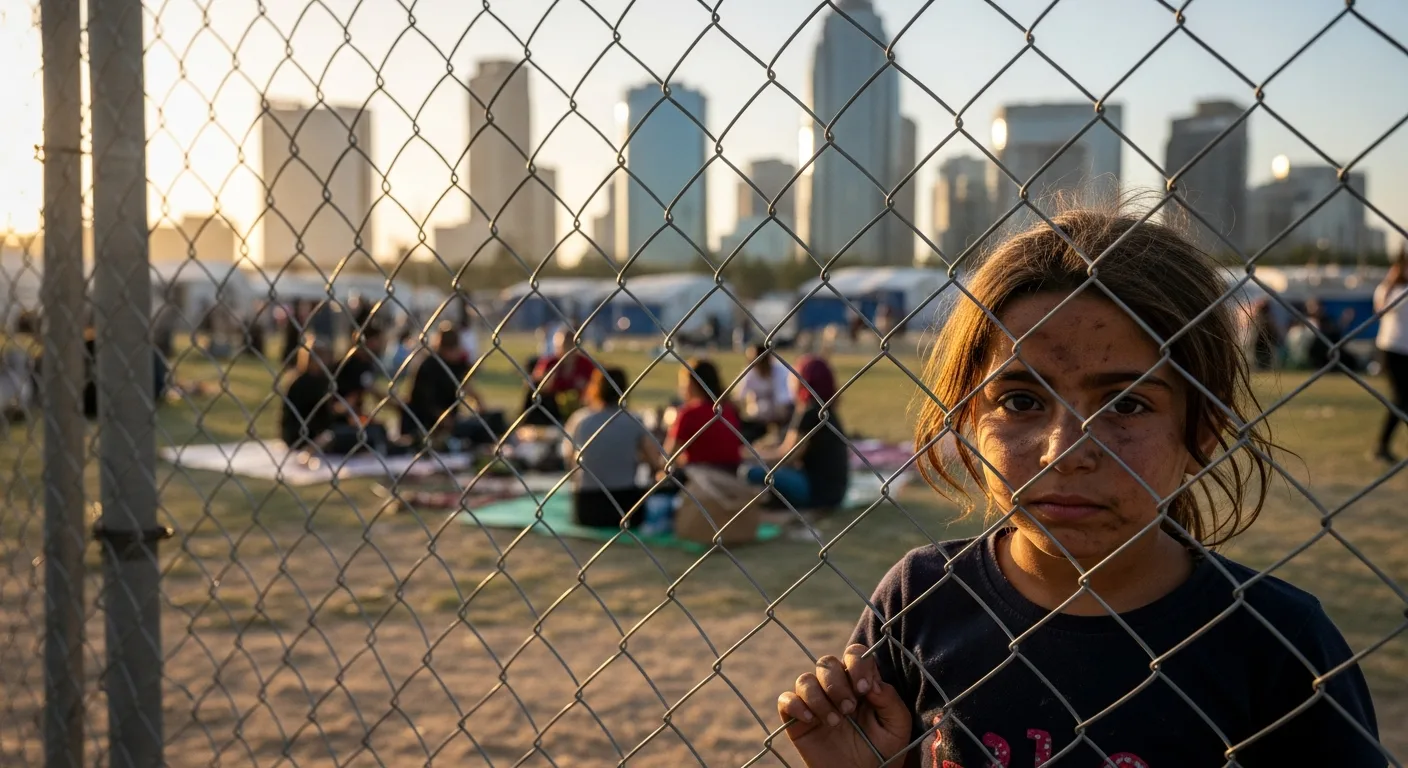
The Psychology of Othering: Understanding the Roots of Exclusion
Have you ever felt excluded from a group, or witnessed someone else being treated as an outsider? The feeling is universal, but the forces driving it are complex. Othering is a pervasive social phenomenon that affects individuals, communities, and even entire nations. This article delves into the psychology behind exclusion, exploring the social dynamics and human behavior that fuel this divisive process. What can we do to bridge the gaps that separate us?
Defining Othering: What It Is and What It Isn’t
At its core, othering is the process of perceiving or treating an individual or group as intrinsically different from oneself or one’s own group. This difference is often framed as negative, inferior, or even threatening. It involves creating an “us” versus “them” mentality, where the “them” group is seen as fundamentally different and less deserving of respect, empathy, or even basic human rights.
It’s important to distinguish othering from simple differentiation. Recognizing that people have diverse backgrounds, beliefs, and experiences is not inherently negative. In fact, appreciating diversity is crucial for a healthy society. Othering goes beyond mere recognition of difference; it involves devaluation, dehumanization, and social exclusion based on those perceived differences.
Othering manifests in various ways, from subtle microaggressions to overt acts of discrimination and violence. It can be based on a wide range of characteristics, including:
- Race and ethnicity
- Religion
- Nationality
- Gender and sexual orientation
- Socioeconomic status
- Physical or mental ability
- Political affiliation
The consequences of othering are far-reaching. It can lead to:
- Prejudice and discrimination: Othering provides the psychological foundation for discriminatory practices.
- Social inequality: By devaluing certain groups, othering perpetuates systemic inequalities in access to resources and opportunities.
- Conflict and violence: In its most extreme forms, othering can escalate into intergroup conflict, persecution, and even genocide.
- Reduced empathy and compassion: When we see others as fundamentally different, it becomes harder to empathize with their experiences.
- Mental health issues: Both those who are othered and those who engage in othering can experience negative psychological consequences, such as anxiety, depression, and feelings of guilt or shame.
The Psychological Mechanisms Behind Othering
Several psychological mechanisms contribute to the process of othering. Understanding these mechanisms is crucial for developing strategies to combat this harmful phenomenon.
- Social Categorization: Humans have a natural tendency to categorize the world around them, including the people they encounter. This process of social categorization helps us simplify complex information and make sense of our surroundings. However, it can also lead to the formation of in-groups (groups we identify with) and out-groups (groups we perceive as different).
- In-group Bias: Once we’ve categorized people into in-groups and out-groups, in-group bias kicks in. This refers to the tendency to favor members of our own group over members of out-groups. We tend to perceive in-group members as more similar to ourselves, more trustworthy, and more deserving of positive treatment.
- Stereotyping: Stereotypes are generalized beliefs about members of a particular group. They can be positive, negative, or neutral, but they are often inaccurate and oversimplified. Stereotypes can reinforce othering by creating a negative image of the out-group, making it easier to justify discrimination and exclusion.
- Prejudice: Prejudice refers to negative attitudes or feelings toward members of a particular group. Prejudice is often based on stereotypes and can lead to discriminatory behavior.
- Dehumanization: Dehumanization is perhaps the most extreme psychological mechanism involved in othering. It involves stripping individuals or groups of their humanity, portraying them as less than human. This makes it easier to justify violence and oppression against them.
- Moral Disengagement: Moral disengagement refers to the process of selectively disengaging our moral principles in order to justify unethical behavior. When we other someone, we may use moral disengagement mechanisms to rationalize our discriminatory actions, such as minimizing the harm we cause or blaming the victim.
- Confirmation Bias: Confirmation bias is the tendency to seek out and interpret information that confirms our existing beliefs, while ignoring information that contradicts them. This can reinforce othering by selectively attending to information that supports our negative stereotypes about the out-group.
- Just-World Hypothesis: The just-world hypothesis is the belief that the world is a fair place and that people get what they deserve. This belief can lead to blaming the victim, where we attribute the misfortunes of those who are othered to their own character flaws or choices.
Numerous studies have shown that individuals who strongly believe in a just world are more likely to hold negative attitudes toward marginalized groups. A 2025 study published in the Journal of Social Psychology* found a strong correlation between belief in a just world and prejudice against immigrants.*
The Role of Social Context in Fostering Othering
While psychological mechanisms play a crucial role in othering, it’s important to recognize that social context also plays a significant part. The environment in which we live, the messages we receive from our culture, and the norms and values of our social groups can all contribute to the process of othering.
- Cultural Narratives: Cultural narratives are the stories we tell ourselves about who we are as a society. These narratives often reinforce existing power structures and can perpetuate negative stereotypes about marginalized groups.
- Media Representation: The way that different groups are represented in the media can have a powerful impact on public perceptions. Negative or stereotypical portrayals can reinforce othering, while positive and diverse representations can help to challenge it.
- Political Rhetoric: Political rhetoric can be a powerful tool for promoting or combating othering. Divisive language and scapegoating can fuel prejudice and discrimination, while inclusive and unifying language can help to bridge divides.
- Social Norms: Social norms are the unwritten rules that govern behavior within a particular group or society. When discriminatory behavior is tolerated or even encouraged by social norms, it becomes more likely to occur.
- Historical Context: Historical context plays a vital role in understanding present-day othering. Past injustices and historical inequalities can continue to shape social attitudes and perpetuate discrimination. For example, the legacy of slavery and colonialism continues to impact race relations in many parts of the world.
- Economic Inequality: Economic inequality can exacerbate othering by creating competition for scarce resources and fueling resentment between different groups. When people feel economically insecure, they may be more likely to scapegoat marginalized groups.
Combating Othering: Strategies for Building Inclusion
Counteracting the deeply ingrained patterns of othering requires a multi-faceted approach that addresses both individual attitudes and systemic inequalities. Here are some strategies for promoting inclusion and challenging othering:
- Education and Awareness: Raising awareness about the psychology of othering is a crucial first step. By understanding the mechanisms that contribute to this phenomenon, we can become more aware of our own biases and prejudices. Educational programs that promote critical thinking and media literacy can help people to challenge stereotypes and resist manipulative rhetoric.
- Intergroup Contact: Intergroup contact refers to opportunities for people from different groups to interact with each other on an equal footing. Research has shown that positive intergroup contact can reduce prejudice and promote empathy. This can involve activities such as:
- Community service projects
- Cross-cultural exchange programs
- Dialogue groups
- Team-building exercises
- Perspective-Taking: Perspective-taking involves actively trying to understand the experiences and perspectives of others. This can help to break down stereotypes and promote empathy. One practical exercise is to consciously listen to the stories of people from different backgrounds and try to imagine what it’s like to walk in their shoes.
- Challenging Stereotypes: When we hear or see stereotypes being perpetuated, it’s important to challenge them directly. This can involve:
- Pointing out the inaccuracies of the stereotype
- Sharing counter-stereotypical examples
- Highlighting the diversity within the group being stereotyped
- Promoting Inclusive Language: The language we use can have a powerful impact on how we perceive others. It’s important to use inclusive language that avoids perpetuating stereotypes or marginalizing certain groups. This includes being mindful of:
- Pronoun usage
- Avoiding gendered language when unnecessary
- Using person-first language (e.g., “a person with a disability” instead of “a disabled person”)
- Advocating for Policy Changes: Addressing systemic inequalities requires policy changes that promote fairness and opportunity for all. This can involve advocating for:
- Affirmative action policies
- Anti-discrimination laws
- Equitable access to education, healthcare, and housing
- Building Empathy and Compassion: Cultivating empathy and compassion is essential for overcoming othering. This involves developing the ability to understand and share the feelings of others, even those who are different from us. Mindfulness practices, such as meditation and compassion training, can help to cultivate these qualities.
- Amplifying Marginalized Voices: Providing a platform for marginalized voices to be heard is crucial for challenging dominant narratives and promoting understanding. This can involve:
- Supporting independent media outlets that focus on marginalized communities
- Inviting guest speakers from diverse backgrounds to share their experiences
- Creating opportunities for marginalized individuals to tell their own stories
*A 2024 report by the United Nations Human Rights Office emphasized the importance of national action plans to combat racial discrimination, calling for concrete measures to address systemic inequalities and promote social inclusion. It specifically highlighted the need for data collection to identify patterns of discrimination and inform policy interventions.*
The Role of Technology and Social Media
Technology and social media can be powerful tools for both promoting and combating othering. On the one hand, they can be used to spread misinformation, reinforce stereotypes, and create echo chambers where people are only exposed to information that confirms their existing beliefs. On the other hand, they can also be used to connect people from different backgrounds, share diverse perspectives, and organize social movements for justice and equality.
- Combating Online Hate Speech: Online hate speech can have a devastating impact on individuals and communities. It’s important to report hate speech when we see it and to support efforts to hold social media platforms accountable for the content they host. Social media platforms like Meta (Facebook) and X (formerly Twitter) have implemented various policies to address hate speech, but enforcement remains a challenge.
- Promoting Digital Literacy: Digital literacy is the ability to critically evaluate information found online and to use technology responsibly. This includes being aware of the potential for bias and misinformation and knowing how to identify credible sources.
- Using Social Media for Social Change: Social media can be a powerful tool for organizing social movements, raising awareness about important issues, and challenging injustice. Hashtag campaigns, online petitions, and crowdfunding initiatives can all be used to mobilize people and effect change.
- Building Online Communities: Online communities can provide a sense of belonging and support for marginalized groups. These communities can also be used to share resources, organize events, and advocate for policy changes.
- Countering Misinformation: In an age of misinformation, it’s crucial to be able to distinguish between credible sources and fake news. Fact-checking websites like Snopes and PolitiFact can help to debunk false claims and provide accurate information.
The Future of Othering: Challenges and Opportunities
Othering remains a significant challenge in the 21st century. Globalization, migration, and technological advancements have created new opportunities for connection and understanding, but they have also created new anxieties and divisions.
One of the key challenges is the rise of populism and nationalism, which often rely on divisive rhetoric and scapegoating of marginalized groups. Another challenge is the increasing polarization of society, which makes it harder to find common ground and build consensus.
Despite these challenges, there are also reasons for optimism. Increased awareness of the psychology of othering, coupled with the growing movement for social justice, is creating new opportunities for change. By embracing diversity, promoting empathy, and challenging injustice, we can create a more inclusive and equitable world.
The task is not easy, but it is essential. The future of our societies depends on our ability to overcome the psychology of othering and build bridges of understanding and respect.
Conclusion
Othering, rooted in psychological mechanisms like social categorization and fueled by social contexts, leads to prejudice, discrimination, and conflict. Combating it requires education, intergroup contact, perspective-taking, and challenging stereotypes. Technology plays a dual role, requiring digital literacy to combat online hate. Overcoming othering is crucial for building inclusive and equitable societies. Are you ready to commit to challenging othering in your own life and community?
What are some subtle signs of othering that I might not be aware of?
Subtle signs include microaggressions (everyday slights that communicate hostility), making assumptions about someone based on their group affiliation, and avoiding eye contact or physical proximity with people from certain groups. It also includes using language that stereotypes or demeans a particular group.
How can I challenge my own biases and prejudices?
Start by acknowledging that everyone has biases. Engage in self-reflection to identify your own biases. Seek out diverse perspectives and experiences. Challenge your assumptions and stereotypes when you encounter them. Be open to learning and growing.
What can I do if I witness someone being othered?
If it’s safe to do so, intervene and challenge the behavior. Offer support to the person being othered. Report the incident to the appropriate authorities if necessary. Educate yourself and others about the harmful effects of othering.
How does othering affect mental health?
Being othered can lead to feelings of isolation, anxiety, depression, and low self-esteem. It can also contribute to internalized oppression, where individuals internalize negative stereotypes about their own group. Engaging in othering behavior can also lead to feelings of guilt, shame, and cognitive dissonance.
What is the difference between prejudice and discrimination?
Prejudice is a negative attitude or feeling toward a person based on their group membership. Discrimination is the unfair treatment of a person based on their group membership. Prejudice is an attitude, while discrimination is a behavior.